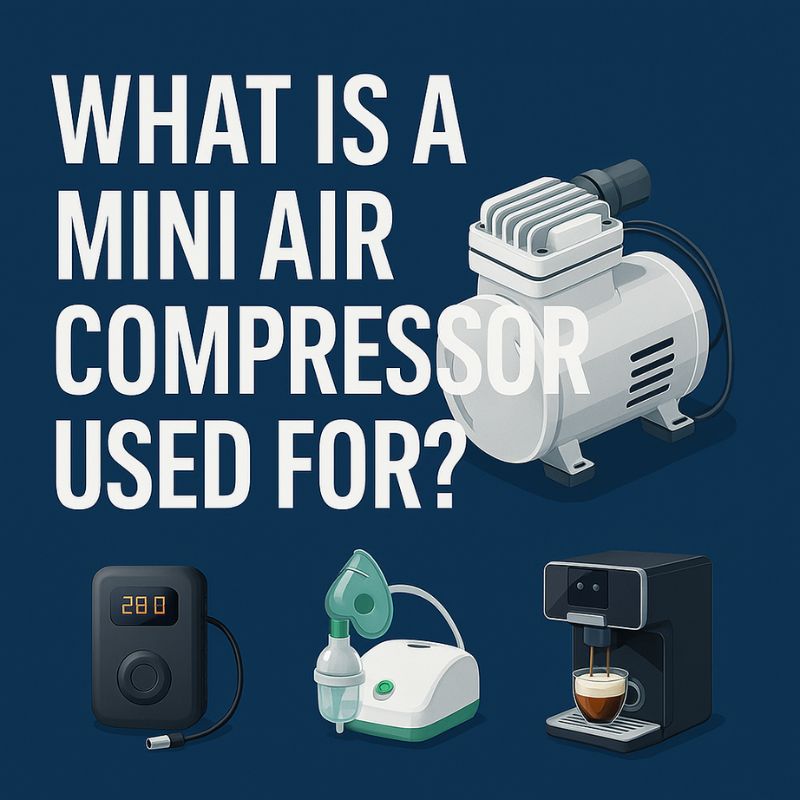
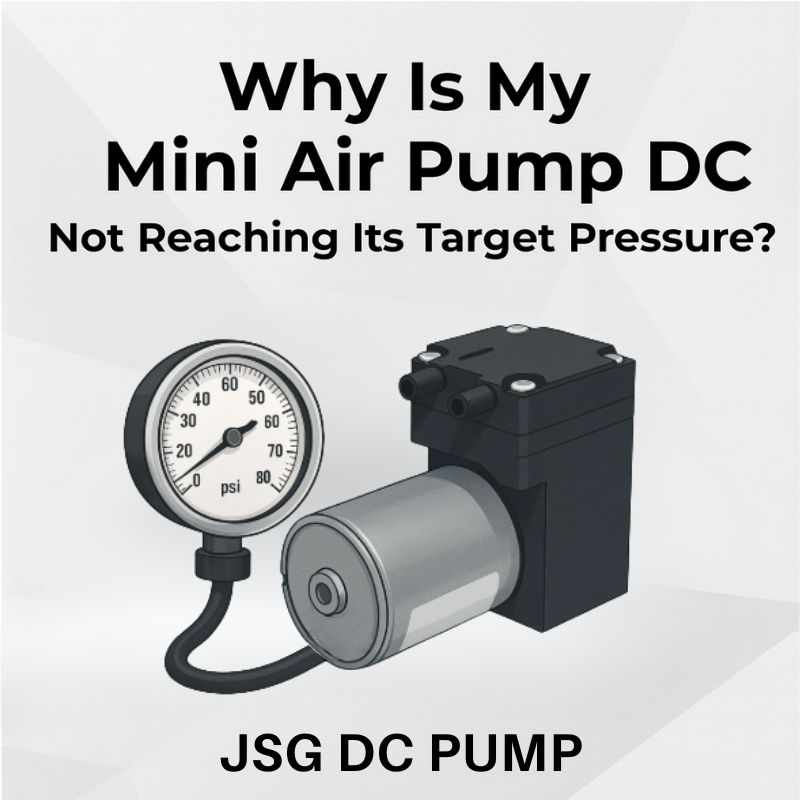
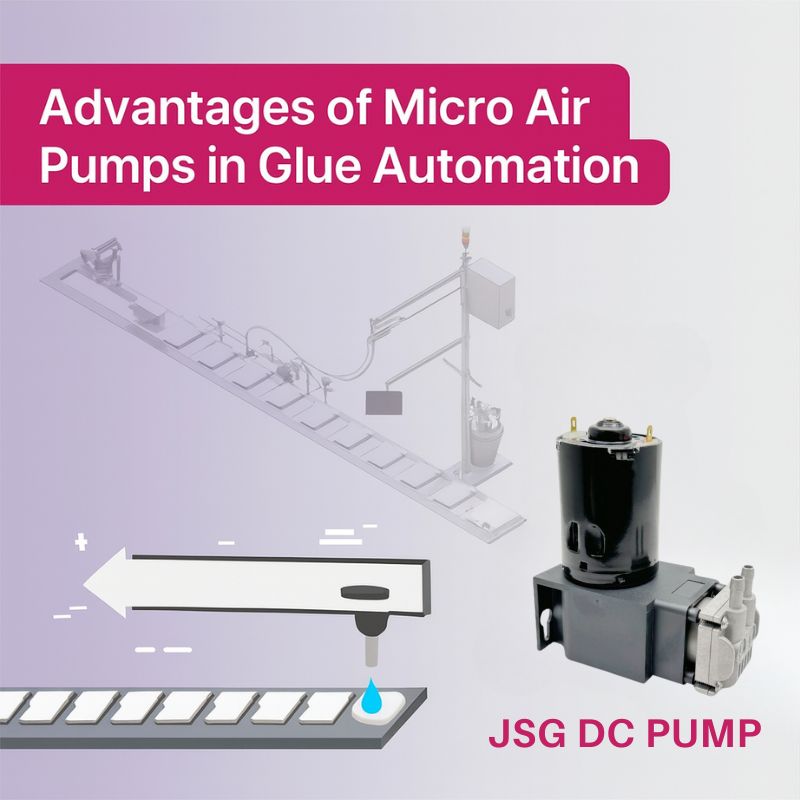
You’ve designed a system around a micro air compressor, but it’s failing under load. This inconsistency threatens your project timelines and budget, leaving you searching for the cause.
The motor is the heart of the compressor. Its design dictates torque, stability, and efficiency. A motor that is poorly matched to the pump head will always result in subpar pressure, flow, and reliability, no matter how good the pump head is.
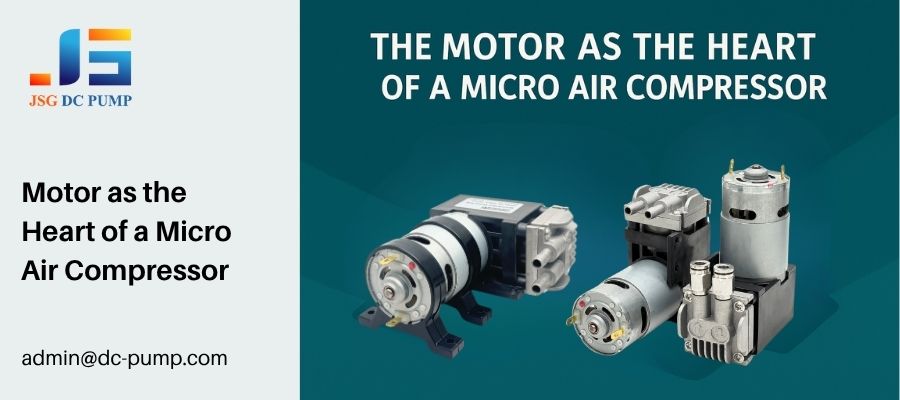
For over 22 years, I’ve seen engineers focus intensely on the pump head—the piston, the diaphragm, the valves. But I always tell them the same thing: the pump head only moves air. The motor provides the power to do it. Think of it like a sports car. A brilliant chassis and suspension are useless if you put a lawnmower engine inside. The same is true for your micro air compressor. Let’s look at how the motor’s characteristics directly translate into the performance you see.
How Does Motor Torque Directly Influence Micro Air Compressor and Mini Compressor Output?
Your mini compressor starts up fine but falters as pressure builds. The flow rate drops significantly or stops completely. This failure to perform under load makes the entire device unusable.
Motor torque is the force that drives the pump’s mechanical parts against air pressure. If the motor’s torque is too low, it cannot overcome this resistance. This causes the motor to slow down or stall, directly reducing both the output pressure and flow rate.
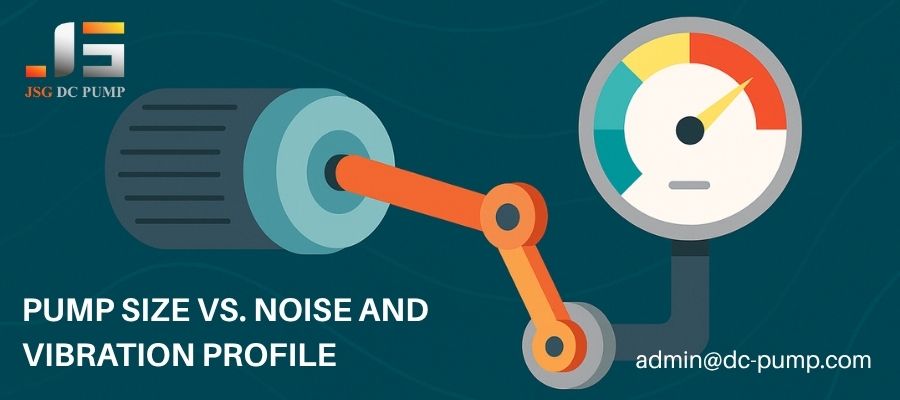
I always explain torque as the “muscle” of the motor. A pump doesn’t just move air; it pushes air against a backpressure. The higher the pressure you need, the more “muscle” the motor must have to keep turning. A common mistake is choosing a motor based on its no-load speed, only to find it lacks the strength to work when it matters.
Understanding Starting vs. Running Torque
Not all torque is created equal. There are two key types to consider for a micro air compressor.
- Starting Torque: This is the force the motor can generate from a dead stop. It’s crucial for compressors that need to start against existing pressure in the system. A weak starting torque means the pump might not even begin to run if there’s any backpressure.
- Running Torque: This is the sustained force the motor provides while operating. It must be sufficient to maintain a consistent speed (RPM) as the pressure inside the pump head builds up to its target.
The Direct Impact of Torque on Performance
| Torque Level | Effect on a Mini Compressor | Resulting Performance |
|---|---|---|
| Low Torque | Motor RPM drops significantly as output pressure increases. Stalls before reaching max pressure. | Unstable, low flow rate. Fails to meet pressure specifications. Unreliable operation. |
| High Torque | Motor maintains a stable RPM even as output pressure approaches the maximum. | Consistent, strong flow rate. Reliably achieves target pressure. Robust performance. |
Simply put, without adequate torque, your micro air compressor’s pressure and flow ratings are just theoretical numbers on a datasheet.
Why Does Motor Design Determine the Pressure and Flow Stability of a Micro Air Compressor or Micro Air Pump?
Your micro air pump delivers an inconsistent flow. The output pressure fluctuates, causing problems in your sensitive application. This instability makes precise control of your system impossible.
The stability of a motor’s speed (RPM) directly translates to the stability of the pump’s output. A well-designed motor maintains consistent RPM under varying loads, ensuring each pump cycle is identical. This produces a steady, non-fluctuating stream of pressure and flow.
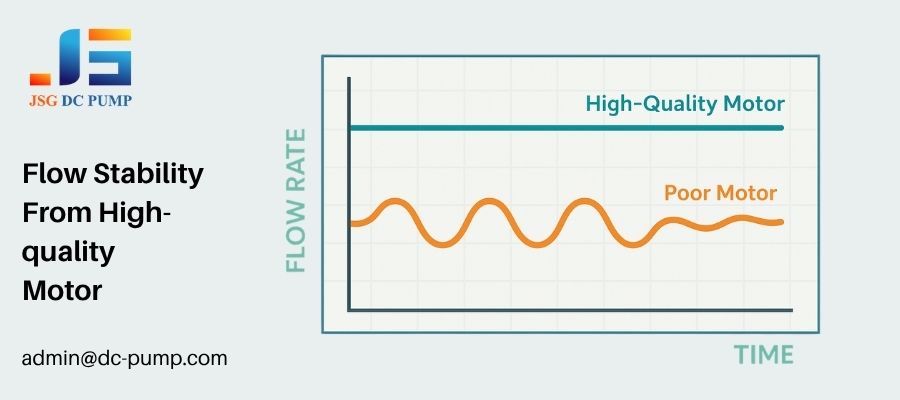
I’ve worked on medical devices where a stable flow rate was a matter of patient safety. You can’t have a diagnostic tool delivering erratic air pressure. The root cause of this instability often lies in the motor’s inability to regulate its speed. Even small variations in motor speed create noticeable pulses in the output of a micro air pump.
The Link Between Motor Speed and Pump Output
A micro air pump is a positive displacement device. This means that for every single rotation of the motor, the pump mechanism (diaphragm or piston) is designed to move a specific volume of air.
- Consistent Speed = Consistent Output: If the motor turns at a steady 3000 RPM, the pump performs 3000 identical cycles every minute. This results in a very predictable and stable flow of air.
- Inconsistent Speed = Inconsistent Output: If the motor speed varies between 2800 and 3200 RPM due to load changes or poor design, the volume of air moved per second will also vary. This is what you experience as unstable pressure and flow.
Factors in Motor Design Affecting Stability
| Motor Design Factor | Impact on Stability | Why It Matters for a Micro Air Pump |
|---|---|---|
| Poor Commutation (Brushed) | Creates electrical noise and torque ripple, causing minor speed fluctuations. | Leads to micro-pulsations in the output flow, which can be problematic for sensitive applications. |
| Speed Regulation Circuitry | A motor without speed control will naturally slow down under load. | As backpressure builds, the flow rate will drop unpredictably. |
| Rotor/Stator Design | A well-balanced rotor and evenly wound stator provide smooth rotation. | Poorly made components can cause mechanical vibrations and erratic speed, leading to noise and instability. |
For applications demanding high stability, choosing a motor designed for smooth, regulated operation is not a luxury; it is a fundamental requirement.
What Motor Features Are Essential for High-Pressure Micro Air Compressors and Mini Diaphragm Compressors?
Your mini diaphragm compressor needs to hit a high pressure, but it keeps failing. You suspect the motor is the weak link, but what specific features should you look for?
To generate high pressure, a motor must have high torque density, robust bearings, and a rigid shaft. These features ensure the motor can deliver the necessary force without flexing, slowing down, or wearing out prematurely under the intense, repetitive loads of compression.
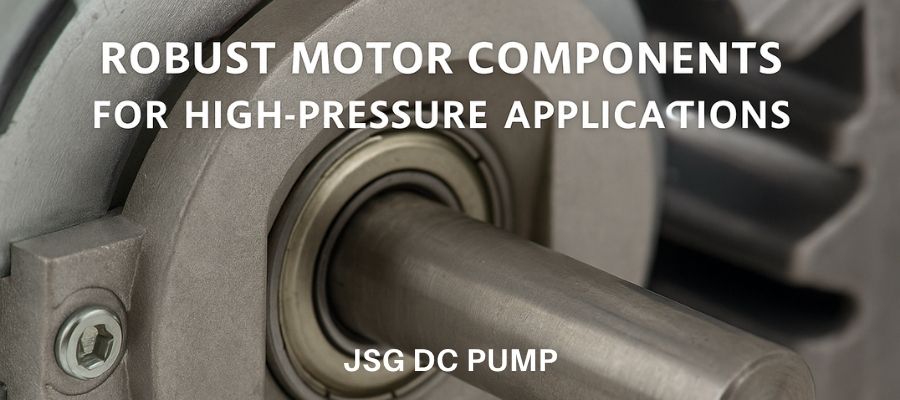
When a client asks me for a pump that can achieve over 100 PSI, the conversation immediately turns to the motor. Creating high pressure in a small space is brutal on mechanical parts. It’s not just about raw power. It’s about designing a motor that can withstand the constant, high-frequency stress cycle of a mini diaphragm compressor.
Key Motor Features for High-Pressure Work
A standard hobby motor simply will not survive. You need components built for industrial use.
- High Torque Density: This means getting a lot of torque from a small motor package. This is often achieved through the use of powerful neodymium magnets and optimized copper windings.
- Robust Bearings: Sleeve bearings will wear out quickly under a compressor’s load. Sealed ball bearings are essential to handle both the rotational (radial) and back-and-forth (axial) forces without failing.
- Rigid Shaft and Housing: The motor shaft must transmit torque without flexing. Any bend in the shaft under load will cause misalignment, leading to extreme vibration, noise, and rapid failure. A strong, rigid motor housing helps maintain this alignment.
Mapping Features to High-Pressure Performance
| Essential Motor Feature | Why It’s Critical for High Pressure | Consequence of a Poor-Quality Feature |
|---|---|---|
| Ball Bearings | Handle high radial and axial loads for thousands of hours. | Premature failure, increased friction, shaft wobble, and eventual seizure of the motor. |
| High-Energy Magnets | Generate more torque without increasing motor size or heat. | Motor is larger, heavier, less efficient, and may not have enough power to reach target pressure. |
| Stiff Motor Shaft | Ensures all motor torque is transferred efficiently to the pump mechanism. | Shaft flexes under load, causing vibration, energy loss, and catastrophic failure. |
When you are pushing the limits of pressure in a small package, these motor features are non-negotiable.
How Does Motor Efficiency Affect Heat, Durability, and Performance in Micro Air Compressor Systems?
Your compact system is overheating, and you trace the source to the micro air compressor. This excess heat is not just an inconvenience; it’s a sign of a deeper problem that can lead to system failure.
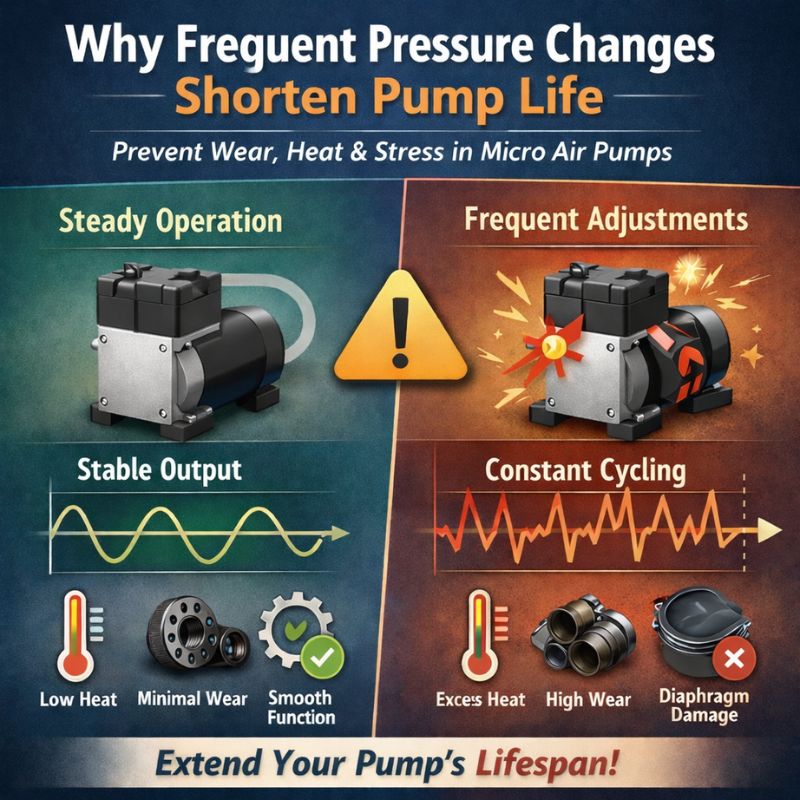
Motor efficiency is the ratio of mechanical work output to electrical power input. An inefficient motor converts a large portion of electricity into waste heat instead of useful motion. This heat degrades pump components, reduces performance, and shortens the compressor’s lifespan.
I often show clients a thermal camera view of two pumps running side-by-side. The one with the inefficient motor glows brightly, dumping heat into the enclosure. The efficient one stays cool. This visual makes it clear: waste heat is a primary enemy of durability and reliability in any compact electronic system.
The Downward Spiral of Inefficiency and Heat
Waste heat is not a passive byproduct; it actively works against your system.
- Heat Generation: An inefficient motor (e.g., 50% efficiency) wastes half the energy it consumes as heat.
- Component Degradation: This heat softens plastic parts in the pump head, breaks down bearing grease, and can cause the diaphragm to lose its elasticity.
- Increased Friction: As components degrade and lubricants fail, friction within the pump and motor increases.
- Reduced Performance: Higher friction forces the motor to work even harder, generating even more heat and further reducing output. This vicious cycle leads to premature failure.
Comparing Efficient vs. Inefficient Motors
Let’s imagine a micro air compressor that requires 12 watts of mechanical power to run.
| Motor Specification | Inefficient Motor (60% Eff.) | Efficient Motor (85% Eff.) |
|---|---|---|
| Electrical Input Needed | 20 Watts (12W / 0.60) | 14.1 Watts (12W / 0.85) |
| Waste Heat Generated | 8 Watts (20W – 12W) | 2.1 Watts (14.1W – 12W) |
| Impact on System | Significant temperature rise. Requires fans or heatsinks. Shorter component life. | Minimal temperature rise. Less need for thermal management. Longer component life. |
Choosing a more efficient motor is one of the best investments you can make in the long-term reliability and performance of your micro air compressor.
Why Do Engineers Prefer Brushless Motors for Advanced Micro Air Compressors and Micro Piston Compressors?
You need a micro piston compressor for a medical device that requires a 20,000-hour lifespan and precise speed control. A standard brushed motor won’t meet these demands, causing you to search for a better option.
Engineers choose brushless DC (BLDC) motors for advanced compressors because they offer exceptionally long life, higher efficiency, and precise electronic control. With no brushes to wear out, they provide the reliability and performance needed for critical and continuous-duty applications.
The shift to brushless motors has been a game-changer for my clients in the medical and instrumentation fields. In the past, the motor was always the component that limited the lifespan of the entire device. With high-quality BLDC motors, our micro piston compressors can now run for tens of thousands of hours, matching the reliability of the other electronics in the system.
The Fundamental Advantage of Brushless Design
The key difference is how the motor’s power is delivered.
- Brushed Motor: Physical carbon brushes press against a spinning commutator to deliver power. This creates friction, sparks, carbon dust, and wear. The brushes are a consumable part with a finite life, typically 2,000-5,000 hours.
- Brushless Motor: An external electronic controller precisely energizes the stator windings. There is no physical contact to deliver power to the rotor. The only wear parts are the bearings.
Brushless vs. Brushed for High-Performance Compressors
| Feature | Brushed DC Motor | Brushless DC (BLDC) Motor |
|---|---|---|
| Lifespan | Limited (2,000-5,000 hrs) | Very Long (20,000+ hrs) |
| Efficiency | Moderate (60-75%) | High (80-90%+) |
| Control | Simple on/off speed control. | Precise speed, torque, and position control via electronics (PWM). |
| EMI/RFI Noise | High due to sparks at the brushes. | Very low; no sparks. |
| Cost | Lower initial cost. | Higher initial cost. |
| Best For | Intermittent use, cost-sensitive projects. | Continuous duty, medical devices, high-reliability systems. |
For any micro air compressor or micro piston compressor in a “no-fail” application, the superior reliability and control of a brushless motor make it the clear engineering choice.
How Should OEM Engineers Select the Right Motor to Maximize Micro Air Compressor Performance?
You are an OEM engineer tasked with selecting a a micro air compressor. You know the motor is critical, but how do you translate your system requirements into a specific motor choice?
First, define your key performance indicators: target pressure, flow rate, and duty cycle. Then, work with your pump supplier to match these needs to a motor’s torque curve, efficiency rating, and expected lifespan, ensuring a safe performance margin.
As a pump supplier, this is the most important conversation I have with an OEM client. I don’t just sell them a part; I help them build a solution. The best outcomes happen when we look at the complete picture together. A few extra minutes analyzing the application upfront can save months of troubleshooting later.
A Step-by-Step Selection Process
A methodical approach ensures no critical parameter is missed.
- Define the Application Load: Don’t just state the peak pressure. What is the average operating pressure? Is it a continuous or intermittent duty cycle? What is the required lifespan in hours?
- Calculate Required Torque: Work with the pump manufacturer to determine the torque needed to achieve your target pressure and flow. Account for both starting and running torque. Always add a safety margin of at least 20%.
- Choose Motor Type (Brushed vs. Brushless): Base this on your lifespan and control requirements. For long life and precision, choose brushless. For intermittent use where cost is paramount, brushed may suffice.
- Verify Efficiency and Thermal Performance: Check the motor’s efficiency rating. Calculate the waste heat generated and ensure your system can dissipate it. A more efficient motor may allow for a smaller, fanless product design.
Quick Selection Guide for OEM Engineers
| If Your Priority Is… | Look For These Motor Specifications… | And Ask Your Supplier… |
|---|---|---|
| High Pressure & Flow | High running torque, high RPM capability, ball bearings. | “What is the motor’s torque at our target operating point?” |
| Long Lifespan | Brushless design (BLDC), high-quality ball bearings. | “What is the L10 rated life of the motor bearings under this load?” |
| Battery Power/Portability | High efficiency rating (>80%), low current draw. | “Can you provide a chart of current draw vs. pressure for this pump/motor combo?” |
| Quiet Operation | Brushless design, high-quality balanced rotor. | “What is the typical dB(A) reading at one meter for this unit?” |
Partnering with an experienced pump manufacturer like JSG DC PUMP allows you to leverage our expertise to select not just a motor, but the right motor for your specific application.
Conclusion
The motor is the engine of your micro air compressor. Its torque, stability, and efficiency are not just specs—they are the foundation of the pressure, flow, and reliability of your entire system. A precisely matched motor ensures your compressor delivers stable performance, even under demanding load conditions.
💡 JSG DC PUMP provides high-pressure, high-performance micro air compressors and supports full custom engineering for OEM applications.
For technical consultation or custom project inquiries, contact: admin@dc-pump.com